DESIGN4MEAtelier
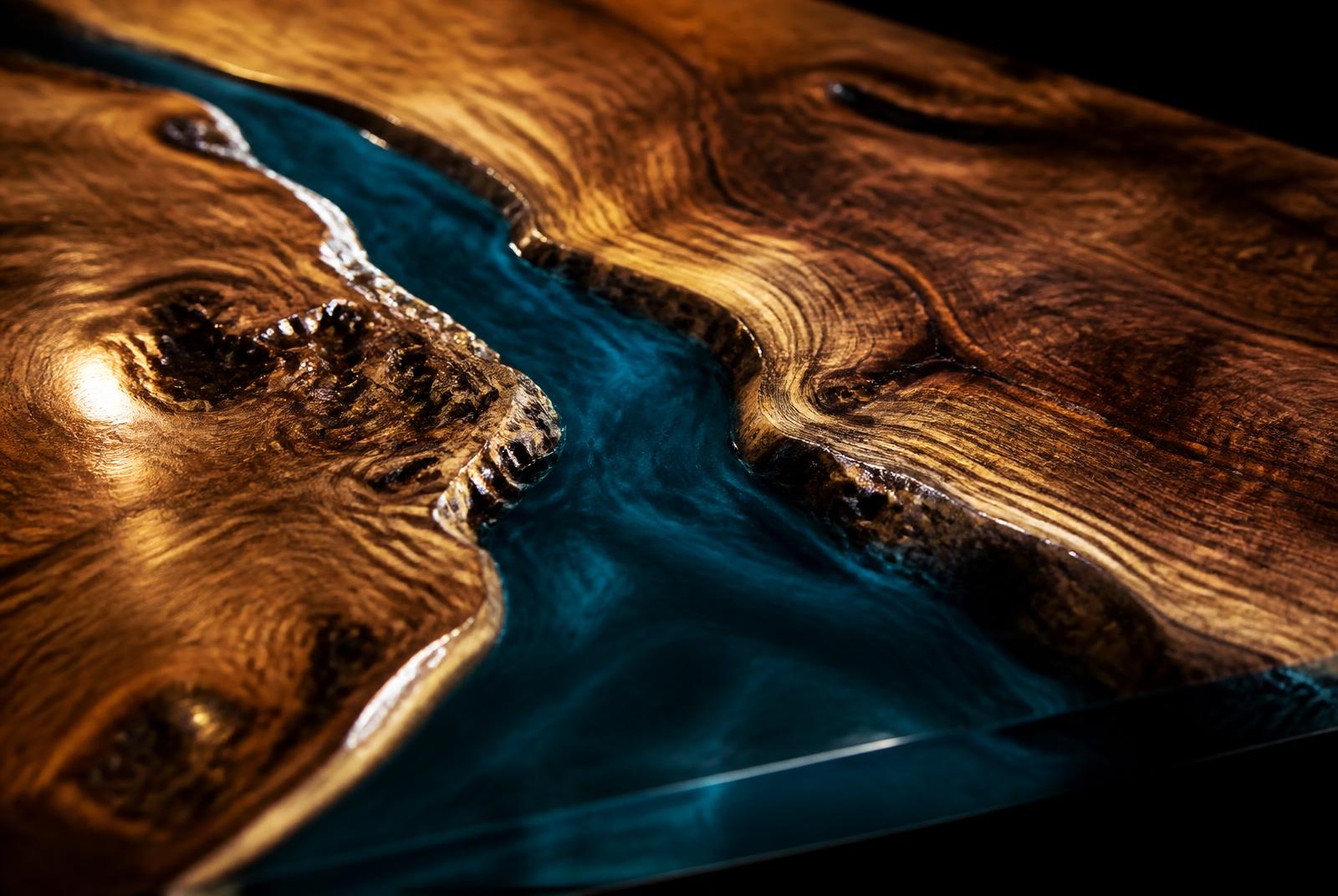
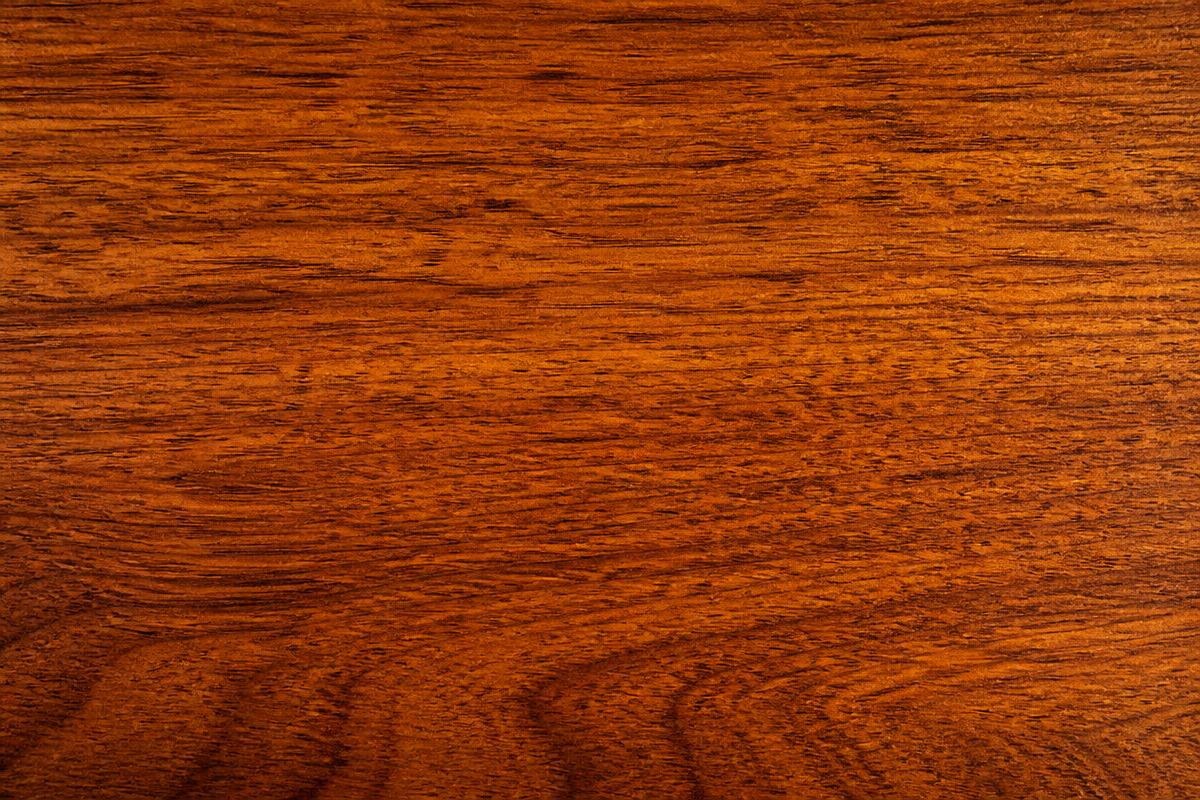
Macro detail of hardwood grain meeting an epoxy river

Timber guide

Twelve woods,and what each one does.

Every commission starts with a species decision, and most regrets start there too. This is the honest version: colour, grain, hardness, how much the board will move, what size slab you can actually get in South Africa, and what it costs relative to the rest.

Grain and colour of Kiaat (Pterocarpus angolensis) hardwoodIndigenous SA

Kiaat

RRRR

Pterocarpus angolensis

The default choice for a heirloom South African dining table. Locally milled, low movement, and it photographs warm under both daylight and lamplight.

Colour
Golden honey ageing to a deep russet brown
Grain
Straight to lightly interlocked, open pore, occasional ribbon figure
Hardness
Medium-hard, very stable, easy to work · 5 300 N Janka
Grain and colour of Imbuia (Ocotea porosa (SA-grown plantation stock)) hardwoodSA plantation

Imbuia

RRRR

Ocotea porosa (SA-grown plantation stock)

The classic Cape furniture timber. Best used where people will stand close to it — a hall console or a bar top rather than a 3.5 m dining slab.

Colour
Chocolate brown with olive and copper undertones
Grain
Wavy and often figured, fine even texture, high natural lustre
Hardness
Medium, cuts cleanly, holds crisp detail · 4 700 N Janka
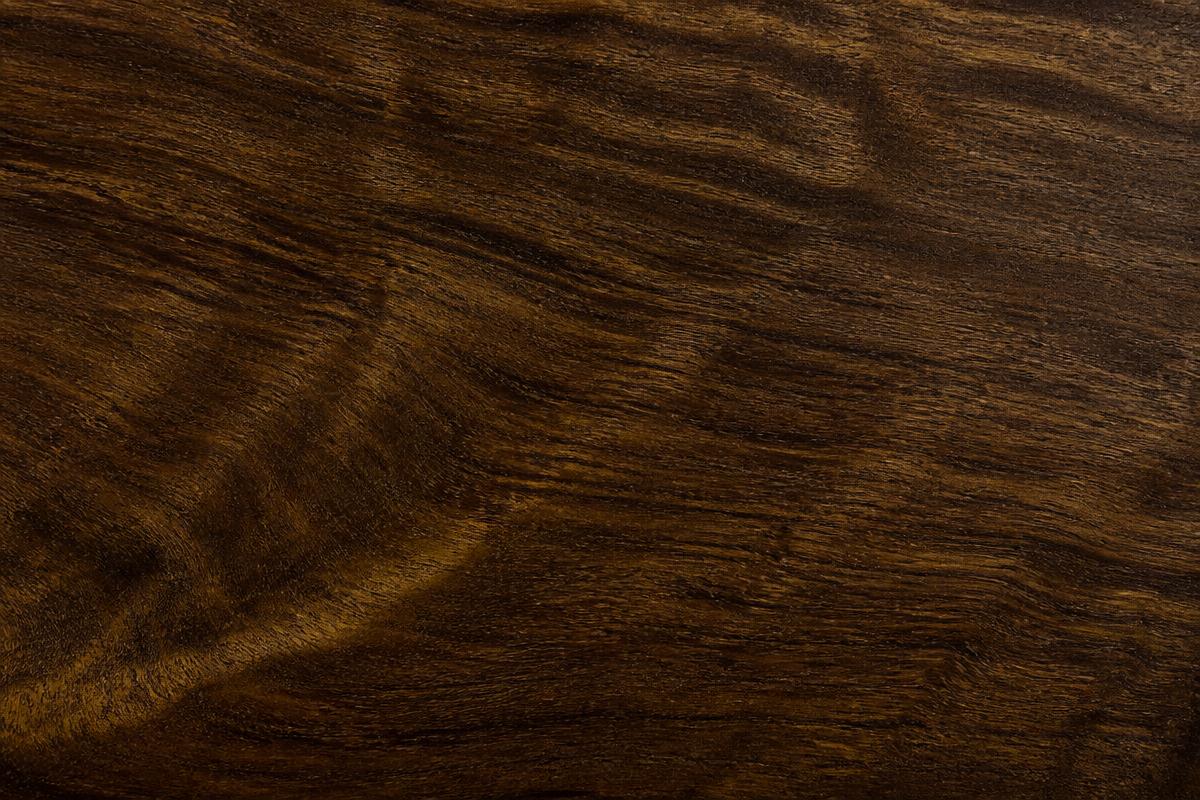
Grain and colour of Black Stinkwood (Ocotea bullata) hardwoodIndigenous SA

Black Stinkwood

RRRR

Ocotea bullata

Protected. We only use reclaimed or certified salvage stock, and we will tell you honestly when a piece cannot be sourced responsibly.

Colour
Dark walnut brown shot through with gold shimmer
Grain
Fine ripple and fiddleback figure, very high lustre
Hardness
Hard and dense · 5 900 N Janka
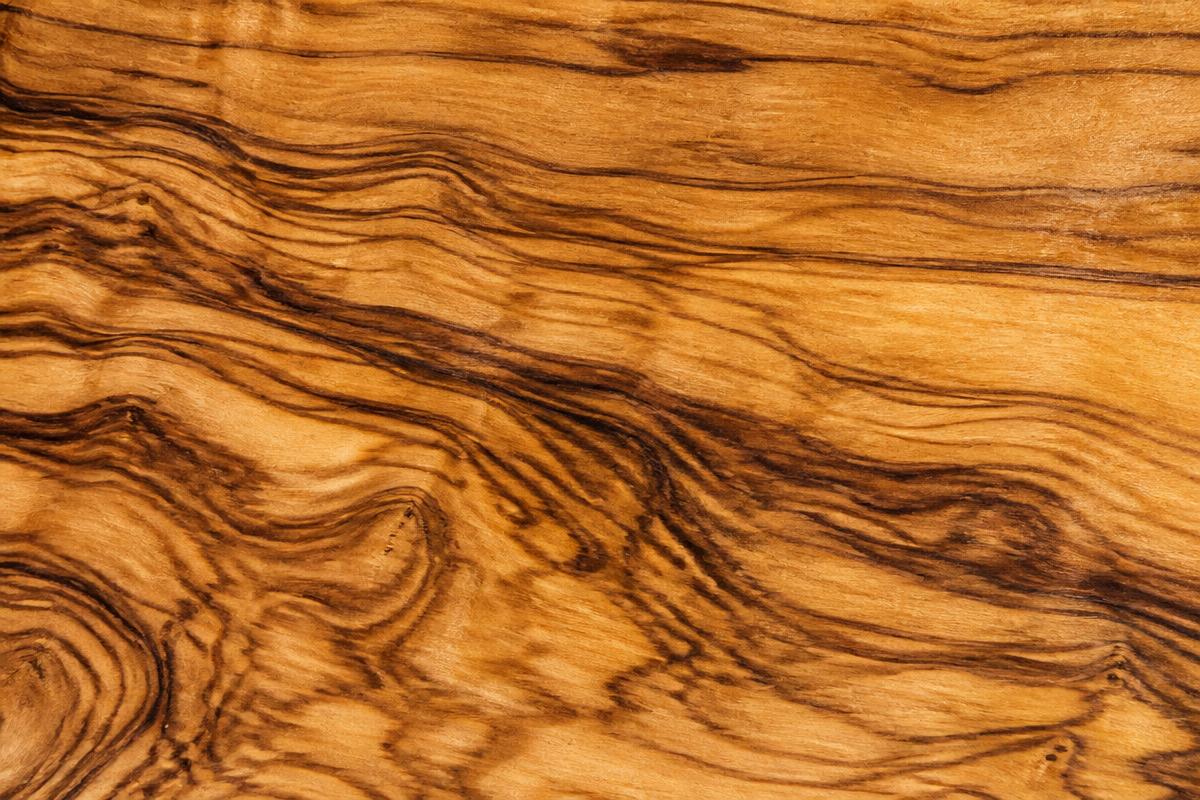
Grain and colour of Wild Olive (Olea europaea subsp. cuspidata) hardwoodIndigenous SA

Wild Olive

RRRR

Olea europaea subsp. cuspidata

The most spectacular grain available locally, and the most temperamental. We use it where the piece is small enough to control.

Colour
Pale honey ground with dramatic dark chocolate veining
Grain
Wild, swirling, unrepeatable; extremely dense and lustrous
Hardness
Very hard · 12 800 N Janka
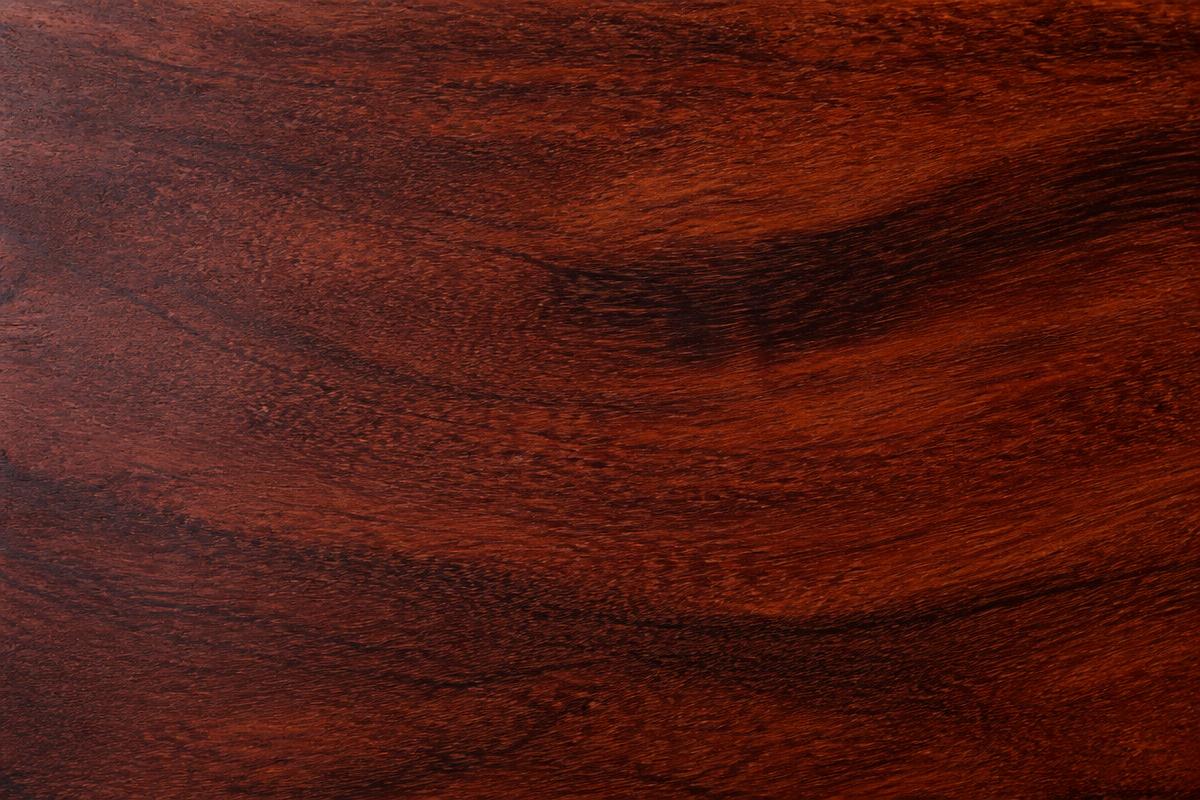
Grain and colour of Tamboti (Spirostachys africana) hardwoodIndigenous SA

Tamboti

RRRR

Spirostachys africana

Beautiful and rare. Sourced from permitted dead-standing stock only.

Colour
Deep red-brown with near-black streaking
Grain
Very fine and dense, oily to the touch, faintly aromatic
Hardness
Extremely hard and naturally durable · 11 700 N Janka
Grain and colour of Cape Yellowwood (Podocarpus / Afrocarpus falcatus) hardwoodIndigenous SA

Cape Yellowwood

RRRR

Podocarpus / Afrocarpus falcatus

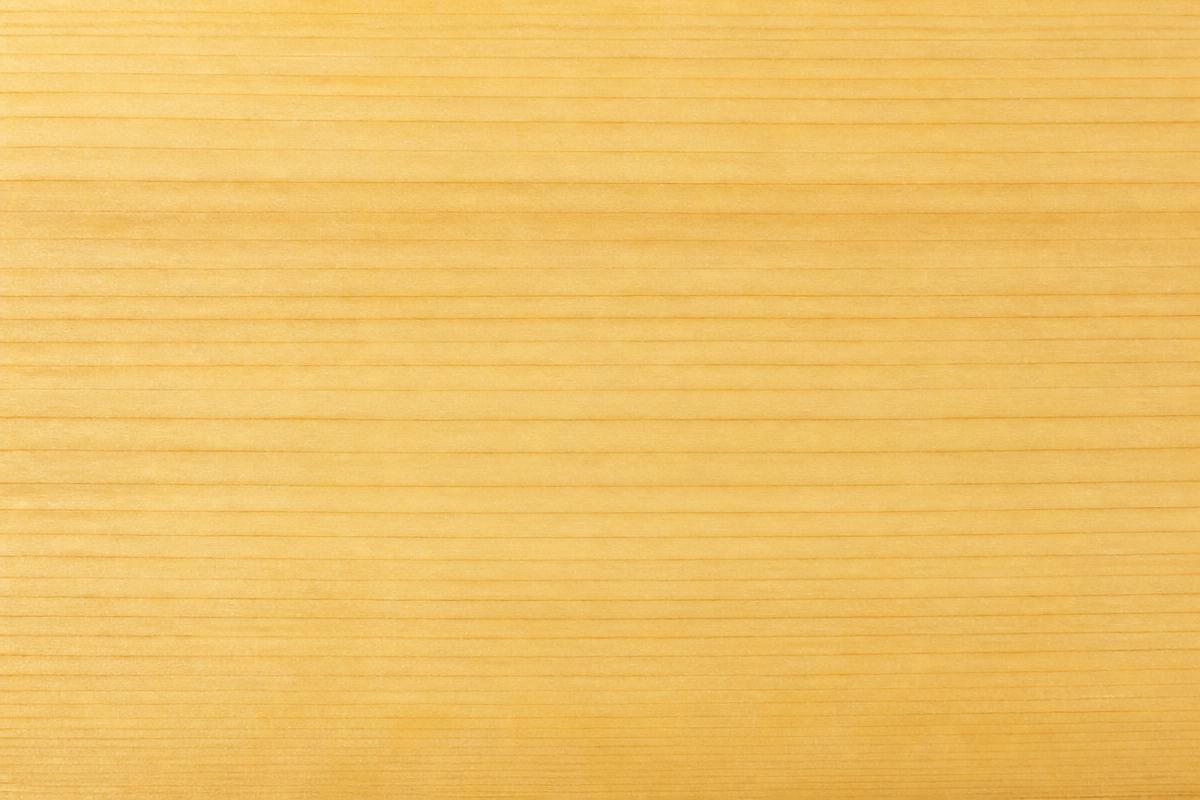
South Africa's national tree and the timber of Cape heritage interiors. The right answer when the room needs to feel light rather than heavy.

Colour
Creamy pale yellow, ambering gently with age
Grain
Fine, even, straight; quiet and architectural
Hardness
Soft to medium — mark it and it shows · 2 900 N Janka
Grain and colour of Rhodesian Teak (Baikiaea plurijuga) hardwoodIndigenous SA

Rhodesian Teak

RRRR

Baikiaea plurijuga

Our workhorse for hospitality specification: it takes abuse without looking abused.

Colour
Dark reddish brown, uniform and serious
Grain
Fine, even, tight; understated figure
Hardness
Very hard and abrasion resistant · 10 800 N Janka
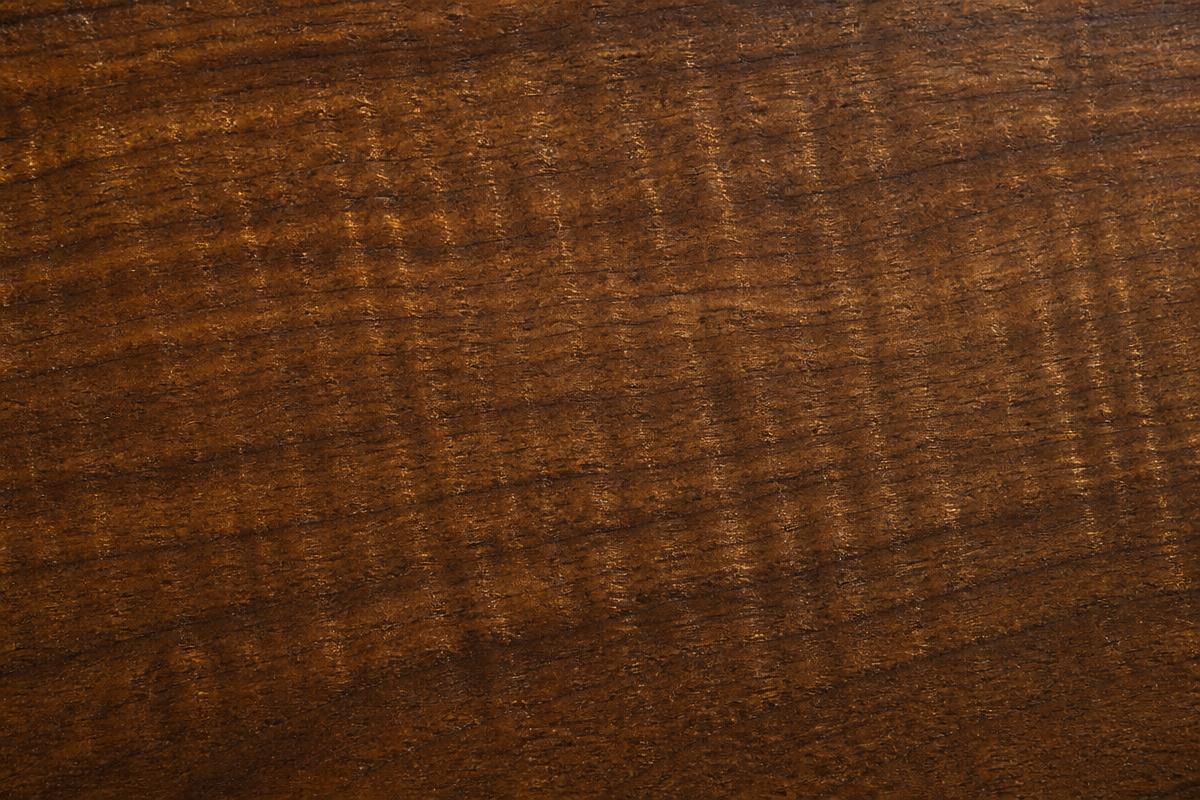
Grain and colour of Blackwood (Acacia melanoxylon) hardwoodSA plantation

Blackwood

RRRR

Acacia melanoxylon

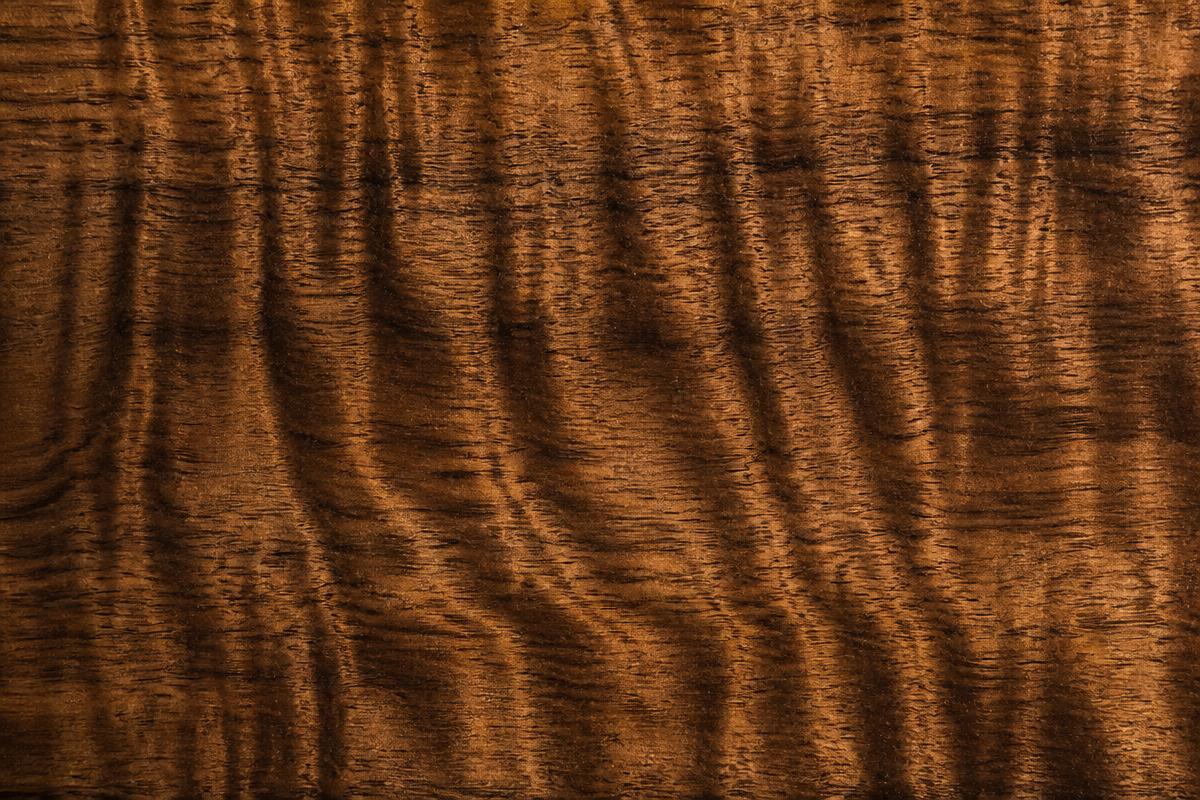
The best value figured timber in the country. Plantation grown, so we can source matched sets for a full dining suite.

Colour
Golden brown to dark reddish brown
Grain
Frequently fiddleback rippled with intense chatoyance
Hardness
Medium-hard, machines superbly · 5 400 N Janka
Grain and colour of Saligna Gum (Eucalyptus grandis) hardwoodSA plantation

Saligna Gum

RRRR

Eucalyptus grandis

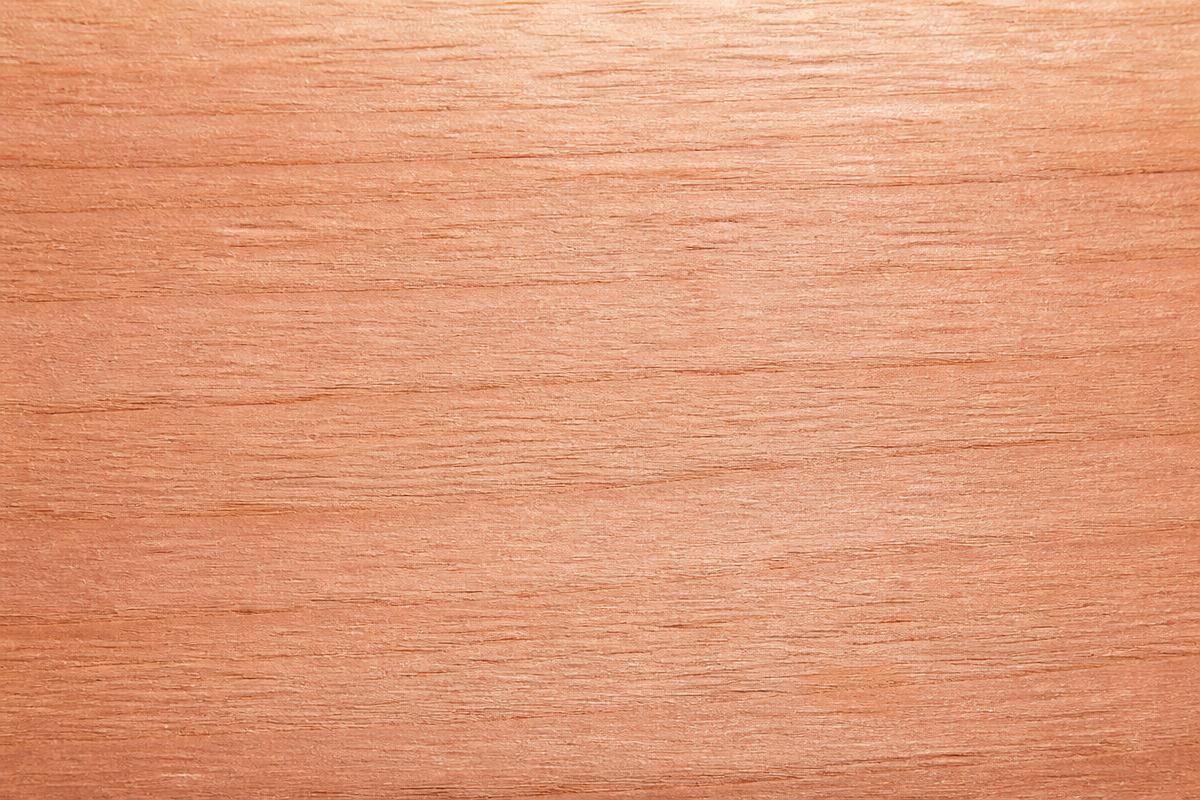
The value option. Certified, abundant and locally milled — the sensible specification when the budget must stretch across 200 covers.

Colour
Pale pink-salmon to light tan
Grain
Straight, even, occasionally with fine gum vein
Hardness
Medium · 4 600 N Janka
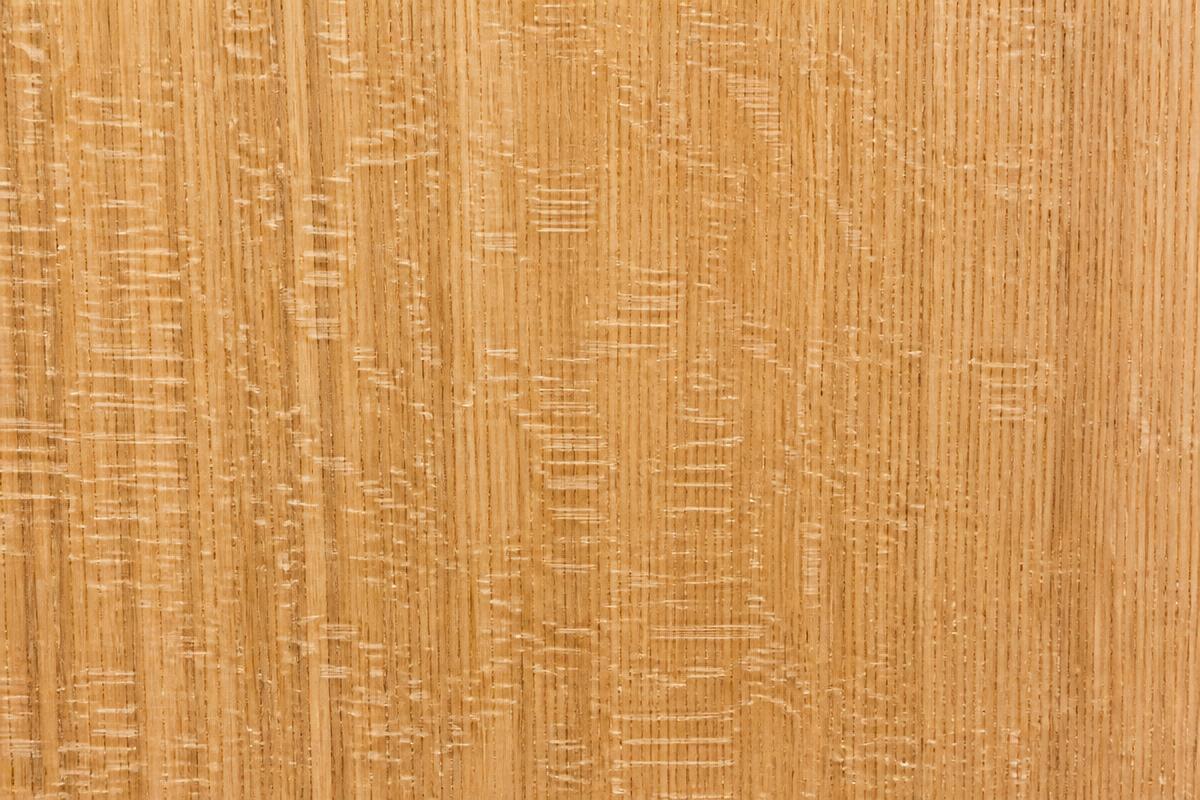
Grain and colour of American White Oak (Quercus alba) hardwoodImported

American White Oak

RRRR

Quercus alba

Imported, but so consistently available that lead times are the shortest of any timber on this page.

Colour
Pale biscuit tan; fumes to grey-brown, stains to anything
Grain
Open straight grain; quarter-sawn shows silver medullary ray fleck
Hardness
Hard and durable · 6 000 N Janka
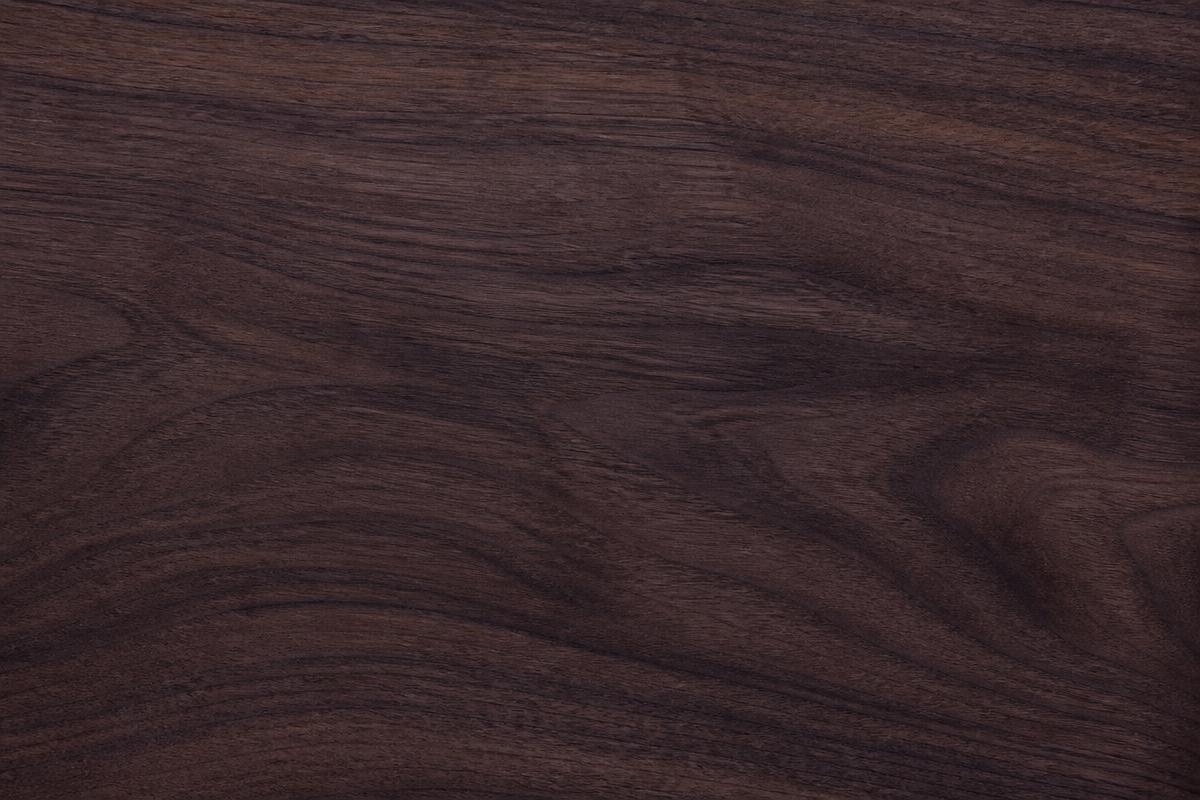
Grain and colour of American Black Walnut (Juglans nigra) hardwoodImported

American Black Walnut

RRRR

Juglans nigra

The international luxury default. Expensive here, but nothing else reads quite as expensive.

Colour
Cool chocolate brown with a violet cast, lightening slightly with age
Grain
Gently wavy, fine, with crotch and burl figure available
Hardness
Medium-hard · 4 500 N Janka
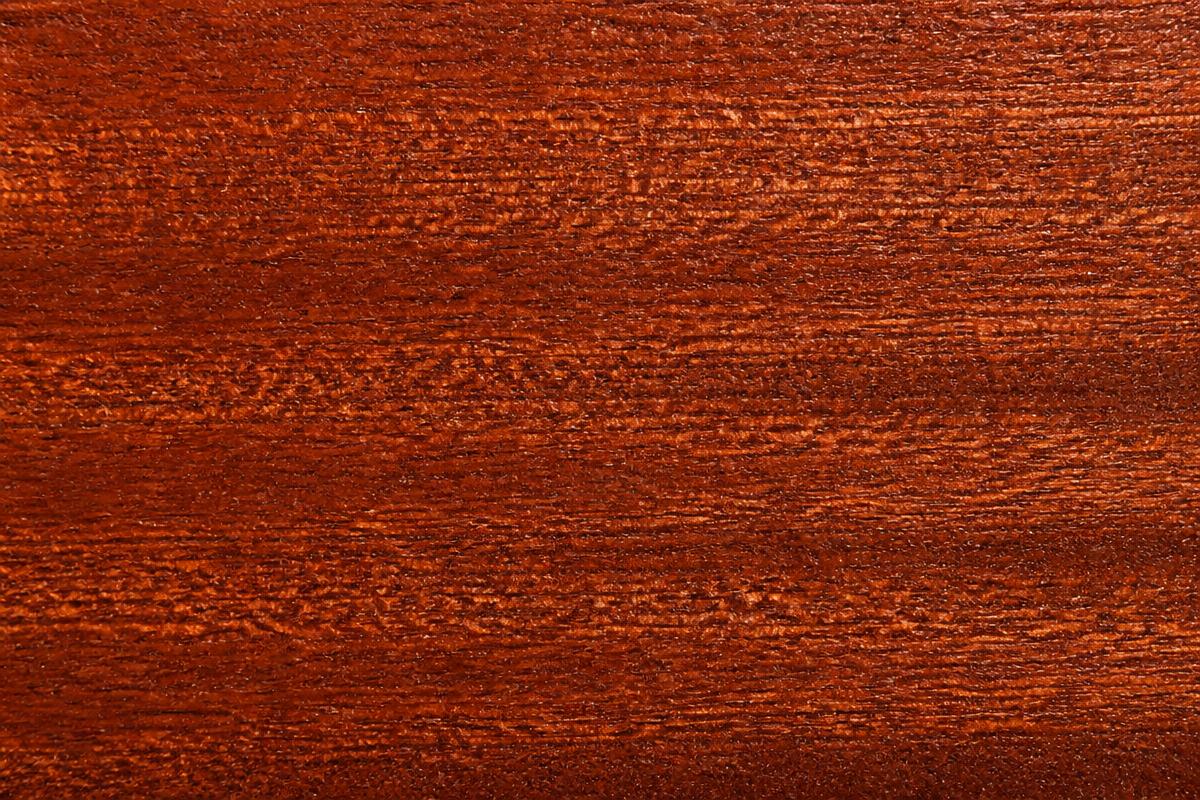
Grain and colour of Sapele (Entandrophragma cylindricum) hardwoodImported

Sapele

RRRR

Entandrophragma cylindricum

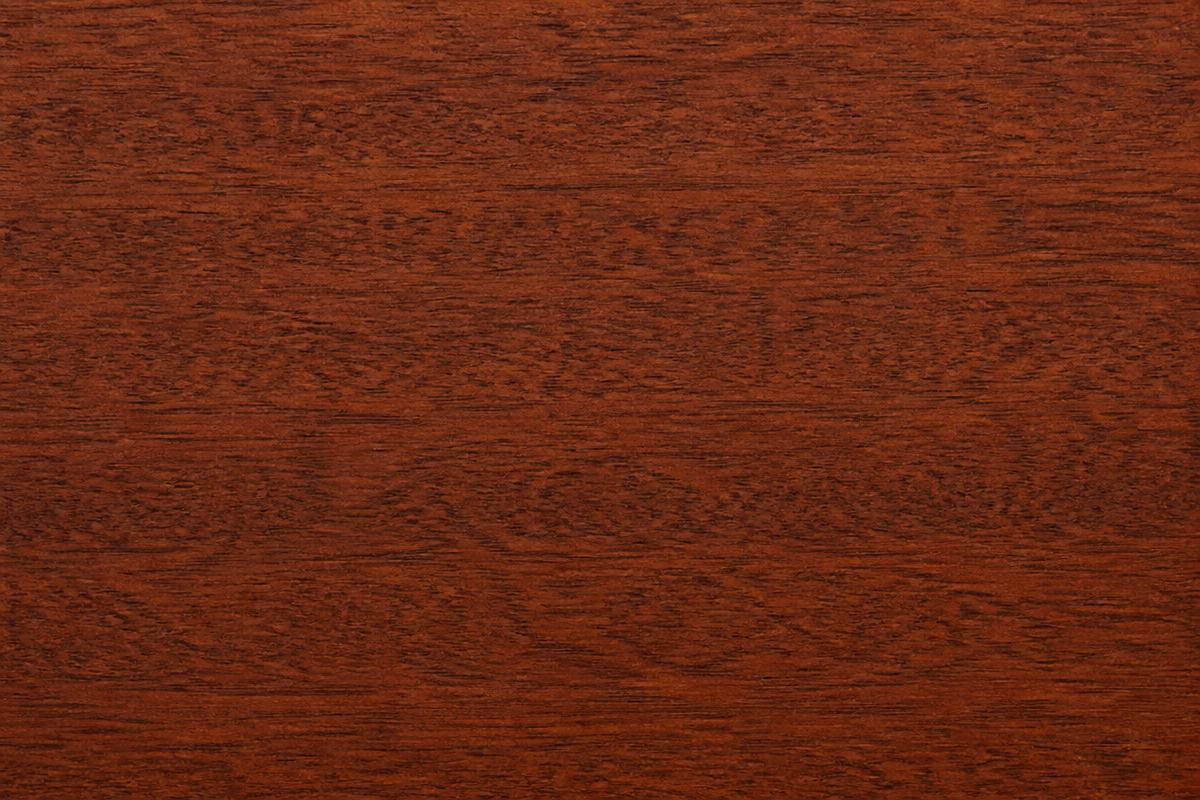
When a client wants a mahogany read at a realistic price and a long, unbroken top, this is the specification.

Colour
Medium reddish brown, deepening with light
Grain
Interlocked with a regular ribbon stripe that shimmers as you move
Hardness
Hard, stable, excellent for large joinery · 6 300 N Janka

Choosing well

The five questions clients actually ask

Which timber for a long dining table?
Kiaat, Blackwood, Sapele or White Oak. All four move very little and are available in lengths beyond 3 m, so the top will not cup a year after delivery.
Which timber for a resin river table?
White Oak or Kiaat for reliability, Walnut for drama. The timber must be dried below 10% moisture before the pour, or the epoxy bond will fail.
Which timber for a hotel or restaurant?
Rhodesian Teak, Sapele or Saligna, finished in two-pack matt lacquer. Choose for wear ratings and replaceability, not for figure.
Which timber for a light, coastal interior?
Cape Yellowwood or limed White Oak. Both stay pale and both take a matt finish that hides salt-air dulling.
What is the most spectacular grain available in South Africa?
Wild Olive, then figured Blackwood, then Black Stinkwood. All three are limited in size — we design the piece around the board rather than the other way around.

Sourcing and sustainability

Plantation and imported stock is FSC-certified where certification exists. Indigenous species — Stinkwood, Tamboti, Wild Olive — are used only as reclaimed, salvaged or permitted dead-standing timber, and we will say so on your quotation. If a species cannot be sourced responsibly for your piece, we will tell you and propose the closest honest alternative rather than substitute it quietly.

Grain plates on this page are colour-accurate studio references for each species. Physical samples of any timber shown here can be couriered before you commit.